Examining The Role Of Fault In Legal Action After An Accident
When a motor vehicle accident occurs, the initial question is often “Who was at fault?” This determination plays a critical role in deciding whether you can pursue legal action. If the other party acted negligently—such as texting while driving or running a red light—you may have strong grounds for a lawsuit. However, if responsibility is unclear or shared, your ability to sue could be more complicated due to comparative and contributory negligence rules.
Considering The Severity Of Injuries And Property Damage
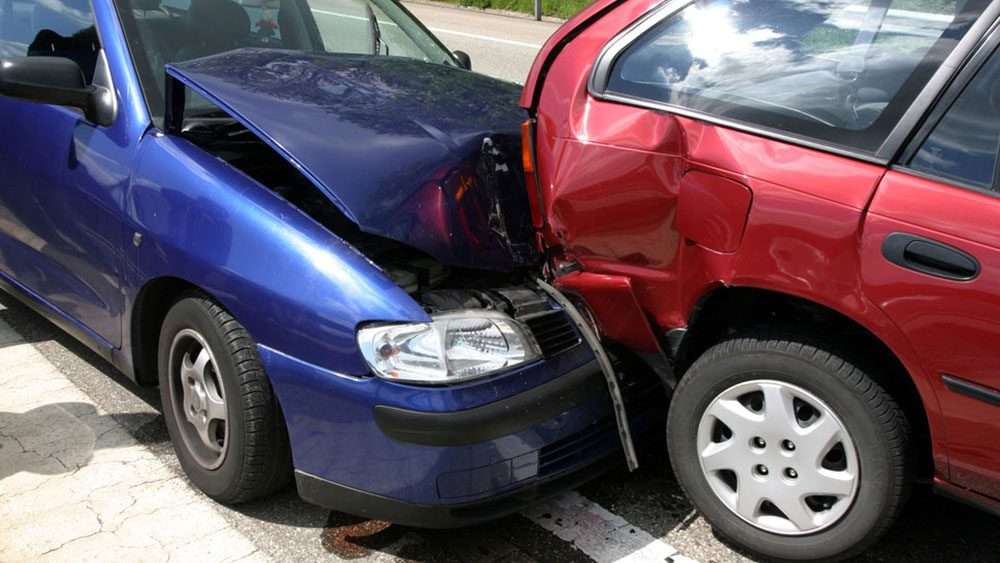
Not every collision automatically leads to a lawsuit. Minor fender benders with minimal property damage and no injuries often resolve through insurance claims alone. Lawsuits tend to arise when medical bills are substantial, injuries are long-lasting, or vehicles are severely damaged. The more significant the impact on your life, the stronger your case may be for seeking compensation beyond basic insurance remedies.
The Importance Of Insurance And State-Specific Laws
Many states, including Florida, are “no-fault” jurisdictions, which means you must first file claims through your own insurer after a motor vehicle accident. Laws may limit your right to sue unless your injuries meet a specific threshold, such as “serious injury.” It’s essential to understand your state’s requirements, as well as how policy limits and coverage details affect your claim options and possible lawsuit eligibility.
Weighing The Evidence And Documentation Required To Sue
Successfully suing someone involves gathering substantial evidence. This could include police reports, medical records, eyewitness statements, and photo documentation of the scene. Poor documentation or conflicting accounts can undermine your case, making it harder to prove negligence. Consulting with an attorney can help you understand if you have enough proof to proceed and what additional steps to strengthen your claim may be necessary.
Exploring Alternatives To Litigation For Accident Compensation
Suing is not always the best or most necessary route after an accident. Many disputes are resolved through settlement negotiations, mediation, or arbitration—especially if both parties prefer to avoid the expenses and uncertainties of a trial. These alternatives often provide fair compensation more quickly and can be less adversarial, allowing everyone to move forward sooner.
Making Informed Decisions For Your Accident Recovery
Ultimately, not every motor vehicle accident results in a lawsuit. The path to compensation is shaped by the circumstances of the crash, state laws, insurance policies, and the strength of collected evidence. Knowing which factors affect your right to sue empowers you to make wise choices, seek appropriate legal advice, and ensure a smoother recovery process.